Authors: Aune Kinugasa, Mialeene Jahnke
Looksmaxxing has been a rapidly growing trend on social media among boys and young men. The subculture has had a complex impact, encouraging confidence-boosting behaviours while also creating intense pressure and encouraging potentially harmful beauty standards fuelled by controversial beliefs. Where should the line be drawn when it comes to the safety and well-being of adolescents and young adults?
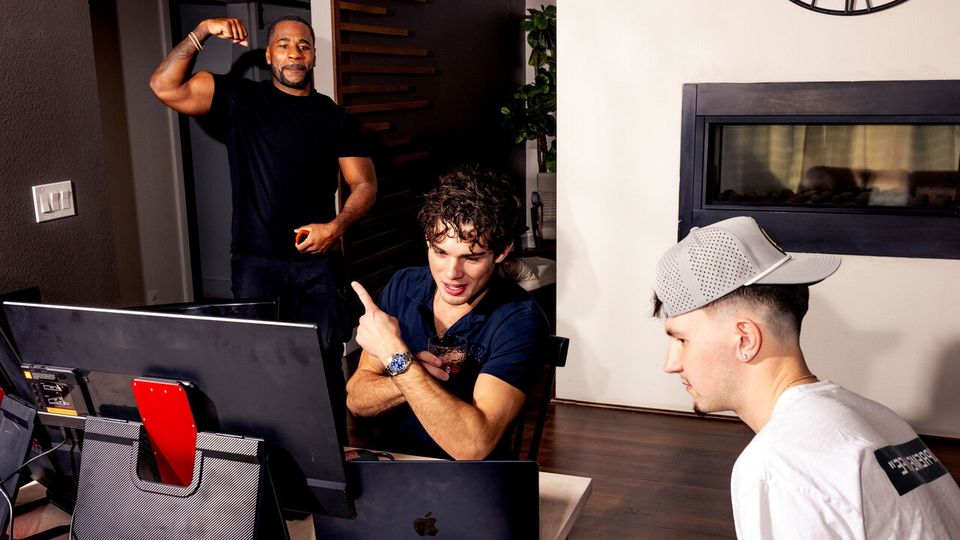
According to Looksmaxxing.com, looksmaxxing is “the process of optimizing your physical appearance through strategies like skincare, grooming, fitness, and styling. It’s a structured approach to becoming more attractive, confident, and socially effective.” On the surface-level, this seems like a healthy and productive approach to men’s mental and physical health. However, this subculture has led to a negative online environment for many boys and men, affecting real-life relationships and views on women and minority groups. The spread of outdated ideas concerning the importance of physical appearance is largely thanks to social media influencers such as Braden Peters, known online as Clavicular. Despite the idealistic goals set out by this community – adonis like figures with perfect bone structures – the demographic of looksmaxxing influencers are largely young, impressionable, and insecure young men. One is left to wonder how exposure to this content may affect their self-esteem and relationships.
The rise of blackpill content and manosphere influencers in recent years has given way to new vocabulary and behaviours among young men. Terms like subhuman, incel, and chad have been created to make audiences feel like they are part of an ingroup, alienating them from others that do not follow similar ideologies. This alienation creates an echo-chamber in which members feel as though they are privy to a truth about the world, and that everyone else is confused and soft. Terminology in these subcultures is often negative, encouraging hatred in teenage boys for others and themselves.
These cultures do not only exist online, their audiences lead real lives as well. Regular interaction with influencers like Clavicular and Hamza Ahmed impacts the daily routines and fitness regimens of young men. Boys dealing with insecurity and body dysmorphia become overly obsessed with going to the gym, dieting, and otherwise modifying their appearances through supplements and practices like mewing. Though these influences have led to perhaps some healthy habits in the lives of teenage boys, one must question how far these habits can go if the influencers promoting them have, for example, become infertile due to injecting themselves with too much testosterone (in the case of Clavicular). Additionally, despite potential health benefits from the gym and dieting, constant engagement with looksmaxxing content deteriorates the mental health of said men. Are we then willing to give up happiness and a healthy mindset for the sake of ascension?
On one hand, this movement starts off by promoting self-security with activities such as fitness, skincare and personal grooming/hygiene, which can improve discipline and overall well-being – the community calls this softmaxxing. However, these practices can escalate into harmful patterns, both physically and mentally. As individuals become further immersed in the community, they may then experience emotional pressure, anxiety or even body dysmorphia due to the demanding and unrealistic ideals of appearance reinforced by influencers and/or models on social media. The more extreme practices that are common in the looksmaxxing community include risky procedures and unproven methods such as “bone smashing” (the act of striking facial bones (jaw, cheekbones, brow) with usually blunt objects to induce micro-fractures in an attempt to change face structure), as well as cosmetic surgery and other medical procedures (face lifting, skin contouring, etc.) to achieve a more chiselled appearance, these practices fall under hardmaxxing. Individuals then proceed to measure their attractiveness through various scales, further intensifying comparison and insecurity. Self-improvement then becoming a mathematical problem, something to be solved using hammers and syringes.
On the other hand, the community itself is closely intertwined with the “manosphere”, a group of online communities that promote misogyny, anti-feminism, and restrictive views of masculinity. Consequently, this environment can further contribute to insecurity and broader mental health concerns among men and boys. Despite the downsides of the looksmaxxing community and the manosphere, individuals continue to participate as these groups are perceived to provide objective information and advice on how to improve their physical appearance, that is often framed as essential for success in romantic relationships and for gaining a sense of control in society. Additionally, men and boys have less spaces to openly address personal issues with their appearance and the pressures they experience, therefore making these communities feel like a source of belonging and support.
Looksmaxxing can also intersect with underlying racism, as their systems of ranking attractiveness is based on narrow beauty standards, often associated with Eurocentric and western features. This entire movement and its pseudoscience on facial structure can, in some cases, reflect aspects of the nature of eugenics, by believing certain physical features are superior while devaluing others. This creates a hierarchy in which Eurocentric features are often positioned as the most desirable and reinforcing the idea that racial identity matters regarding belonging in community, success with women and relationships, and acceptance in society. In certain looksmaxxing sub-groups, terms such as “ethnicel” have emerged, referring to non-black and non-white individuals (e.g., Indian, East Asian) occupying the lowest position on physical appearance and attractiveness. As a result, people of colour face a lot more prejudice and additional exclusion when participating in the looksmaxxing community, becoming targets of racial discrimination such as violence and hate-speech.
The term “Male Loneliness Epidemic” has garnered traction in recent years, referring to the reported surge in isolation concerning romantic and platonic relationships for men, this solitude sometimes leading to depression and suicide. Despite many attempts to figure out the source of this epidemic, it is hard to pinpoint exactly what has caused it. However, the rising popularity of the manosphere has undoubtedly played a role. Traditional views surrounding male and female roles in society have always been present in relationships, however these views have resurfaced under new voices in the 21st century. Now, podcasts like Fresh and Fit host controversial figures on their platforms for clicks and engagement with a focus on causing outrage online. Popular clips show hosts Myron Gaines and Walter Weekes voicing beliefs about women being inferior and inherently dishonest, bringing women on to the show to humiliate, degrade, and provide ratings on their physical appearance out of 10. This behaviour influences many teenage boys, leading them to provide ratings of women on their own. The spread of these hateful beliefs causes anger and confusion in boys seeking romantic relationships, leading to misguided ideas about trust and loyalty. Harmful rhetoric is not only reinforced by men, however, with the presence of content creators such as JustPearlyThings. Some female creators have adopted aligning views to garner the approval of their male counterparts; women and girls that may look up to creators such as Pearl are met with aged ideas about their role in society, leading to the spread of these ideas and a loss of hope amongst many women.
Looksmaxxing has transformed into far more than a simple social media trend, creating a large community stimulating problematic culture that shapes how many boys and young men view themselves and others. Although looksmaxxing may appear to promote self-improvement and confidence, its community dynamics, underlying beliefs, and encouragement of risky practices can have significant negative effects on the well-being and safety of boys and young men. Looksmaxxing and its community can extend to further social environments and cause issues in relationships, gender stereotypes and roles, and perceptions of success socially by often, if not always, prioritizing physical appearance over personal growth. Additionally, its overlap with the manosphere can reinforce harmful ideologies, including the preference for Eurocentric and western features, which promotes discrimination against people of colour and deepens feelings of isolation associated with the “male loneliness epidemic.” Looksmaxxing has ultimately led to more harm than good, promoting perfection at the expense of the mental health of impressionable boys. It can only be hoped that the next viral trend brings about healthy habits and thinking for the next generation.