Author: Viveca Von Lilienfeld-Toal & Maya Schuster
Have we truly achieved equality in politics, or do invisible barriers still decide who gets to lead? Gender roles refer to socially constructed expectations about how men and women should behave, often shaping perceptions of ability, ambition and responsibility. In the context of politics, these roles strongly influence who participates, who is heard, and who holds power. Although democratic systems claim to be equal, politics remains deeply affected by historical and cultural stereotypes that continue to shape opportunities today. Therefore, gender roles remain a crucial factor in politics, as they influence representation, access to power, and the quality of democratic decision-making.
Gender roles play an important part in shaping modern-day politics. Ranging from local to global levels, stereotypes continue to define perceptions of suitability and opportunity for a large number of women. Many barriers remain rooted in history: due to historical oppression and a lack of personal agency, politics has long been dominated by men, while women remain underrepresented in parliaments and governments. In 2025, only 27.4% of parliamentarians worldwide were women. Although this number has increased from 11% in 1995, progress remains slow, as prejudice and stereotypes continue to shape public opinion. These ideas are often reinforced through media and wider public discourse, while stereotypes create barriers such as discrimination, fewer party nominations and lower political support for women. As a result, this imbalance limits diversity in decision-making and weakens fair representation within society.
Moreover, cultural norms and social expectations continuously influence the engagement of individuals with political systems. Even in modern democratic societies across the world, participation is not entirely equal, as gender roles can shape confidence, ambition and access to political opportunities. Traditional expectations often discourage women from pursuing leadership positions or political careers, while simultaneously reinforcing the idea that politics is a purely male-dominated field. This can result in lower levels of political participation among women, both in formal institutions and in public political life. In addition, unequal visibility of women in leadership positions can limit role models, further reinforcing existing patterns of exclusion. As a consequence, political systems may depict gender equality in structure, but still reflect underlying social inequalities. Ultimately, gender roles not only affect representation in numbers, but also influence the perception of political power.
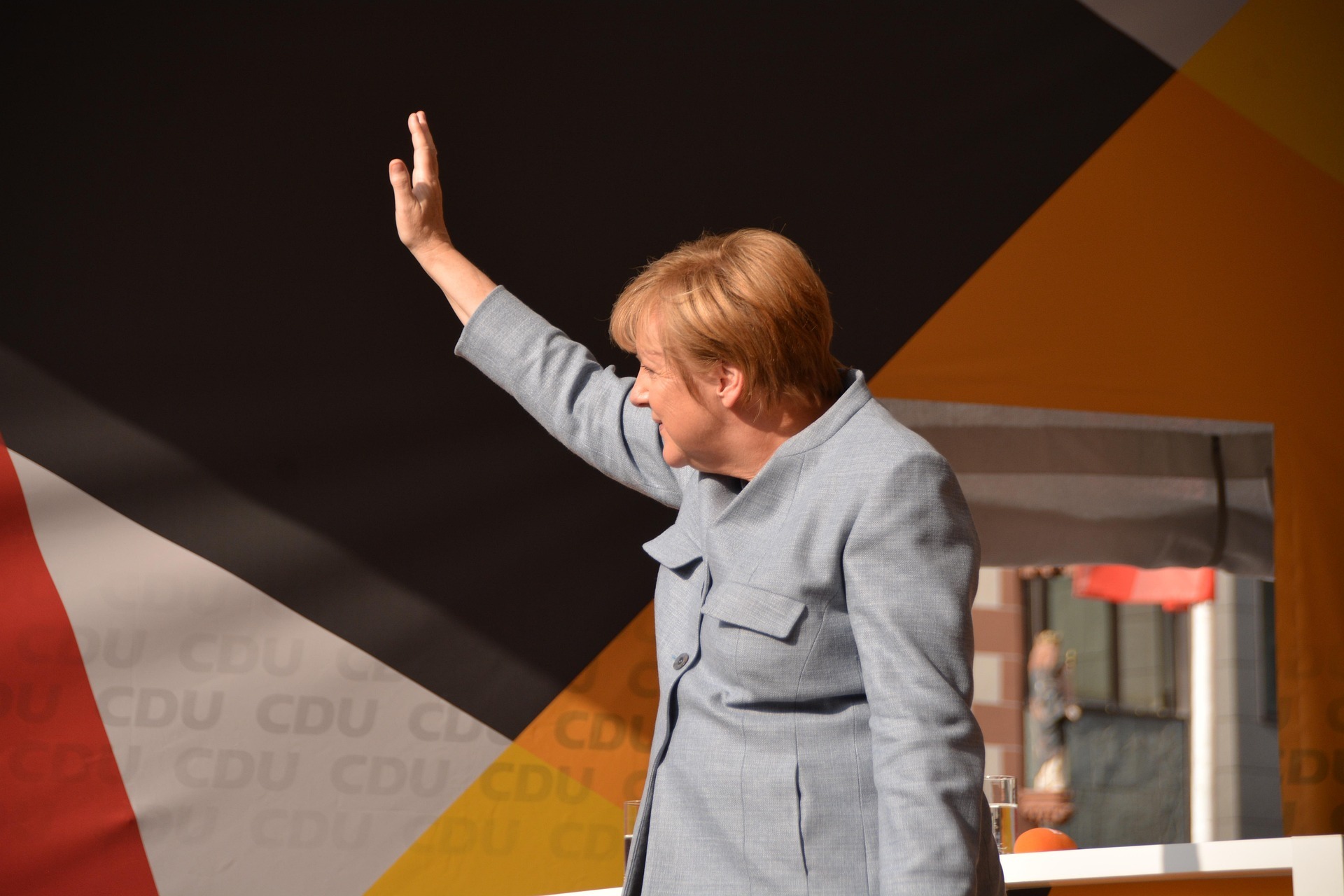
However, gender roles in politics are gradually changing, driven by growing movements for equality and increased awareness of structural imbalance. Over the past decades, feminist movements, civil society organizations, and international initiatives have played a key role in challenging stereotypes and demanding equal representation. Measures such as gender quotas in parliaments, awareness campaigns and increased media attention on female leaders have contributed to visible progress in many countries. As a result, more women are entering politics and taking on leadership positions that were once considered inaccessible. Nevertheless, significant challenges remain, as cultural expectations, political resistance and unequal access to resources continue to slow progress. This shows that while change is happening, it is neither automatic nor complete, making continued effort essential to achieve true political equality.
In conclusion, gender roles continue to play a decisive role in shaping political systems worldwide. They influence not only who is represented in politics, but also how individuals perceive leadership and participation. Although progress has been made through reforms and changing attitudes, deep-rooted stereotypes still limit equal opportunity and full representation. Ultimately, achieving genuine political equality requires more than institutional change; it requires a shift in societal thinking. Only when gender roles no longer define political potential can politics truly reflect the diversity of the societies it represents.
Edited by: Hugo Silvestre–Mariotte, Richard Mayer
Cover image: Wolfgang van de Rydt auf Pixabay