Author: Richard Mayer
Why our credit cards and the American government are intertwined.
It is a beautiful morning and you are walking to wherever you need to go. On the way, you see a lovely bakery and decide you would like to have a coffee. You go in, talk to the person at the counter and then get your coffee. You pay by card, as always. But this time, the card refuses. You try your other credit card and it does not work either. Luckily, you find some cash in your pocket and manage to pay. Odd. Why were the cards not working properly?
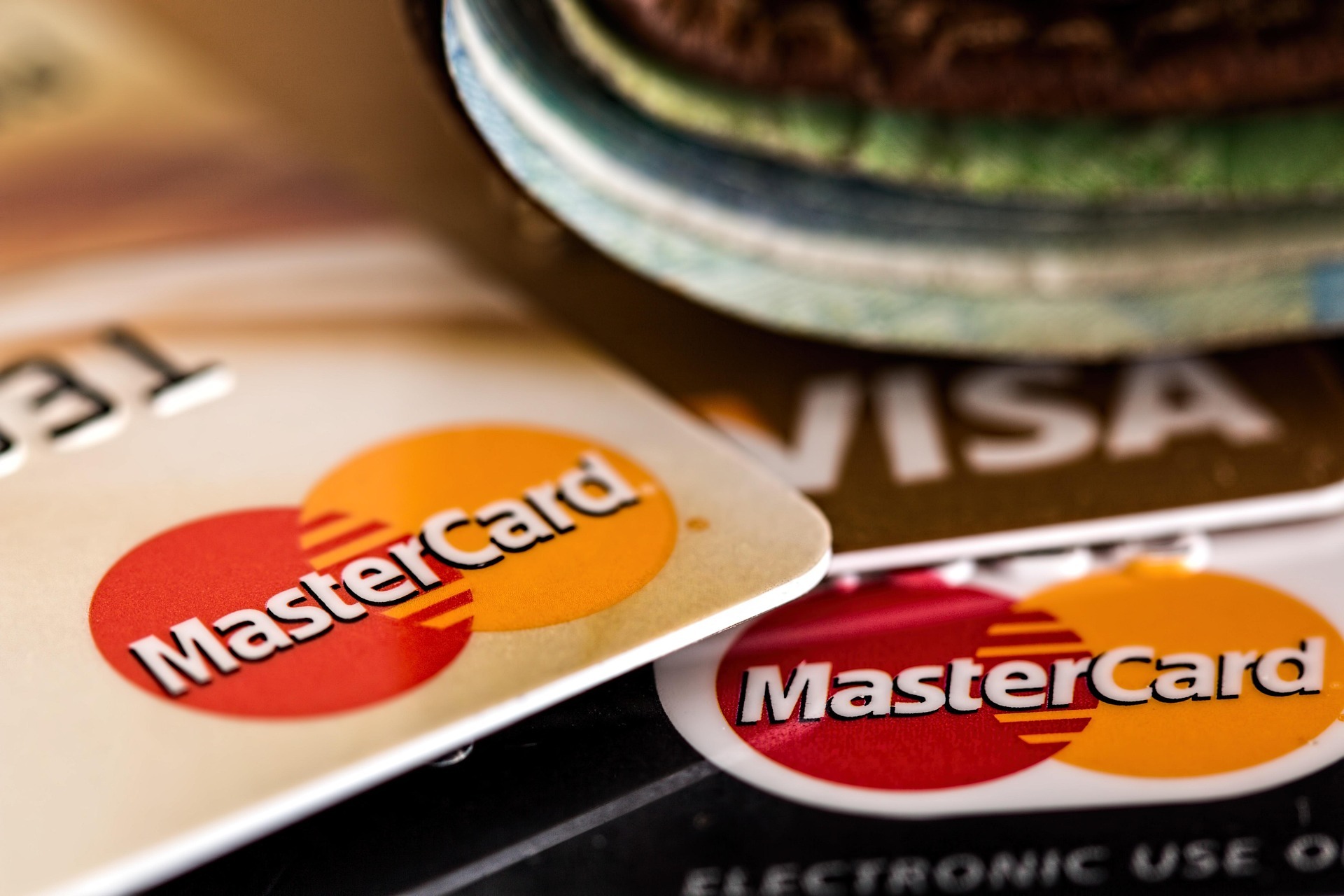
This is the reality of Nicolas Guillou and his 17 colleagues, all judges at the International Criminal Court in The Hague, Netherlands. Even though all credit cards have the logo of your bank on them, they can only function due to a credit card company. The two most notable of this kind are called Visa and Mastercard, issuing almost all credit cards outside of China. Visa, Mastercard and other smaller competitors are all American companies. This means they have to follow American legislation. Furthermore, American services like Airbnb or Amazon are no longer available to the judges. These measures date back to November 2024, when the ICC issued an international arrest warrant on Benjamin Netanyahu, prime minister of Israel, and Yoav Gallant, former minister of defence of Israel, on the grounds of alleged war crimes committed in the war in Gaza. The American Trump administration was not a fan of the idea and put these sanctions in place in early 2025. They felt the investigation was initiated “without a legitimate basis” and that the ICC was a “bankrupt institution”. To punish the targeted judges, all American companies were forbidden to offer any good or service to them. Now, all 18 judges have to pay everything by cash.
Stories like this uncover a scary duopoly market (two dominant players control the market) and an even scarier dependance on American cooperation to enable our everyday lives. If the international relationship were to escalate, the US could restrict credit card payments in all of Europe, resulting in a massive hit for the economy and a move back to payments by paper money. How did we get into this situation?
To understand the problematic, one should first understand how credit card payments work. When a credit card is used, it sends encrypted payment data to the terminal. This data tells the bank of the person or business receiving the money from which account the money is supposed to come. The receiving bank sends a request through the credit card system (Visa or Mastercard) to the paying bank and this bank checks if the payment is good to be made. If everything goes well, the approval travels back to the receiving bank and the transaction is approved. No money moves instantly, hence “credit” card. Still, the consumer receives their product and the business gets their money soon. The communication that goes through the credit card company is complex and they must ensure their system is up and running at least 99% of the time. So, this operation requires substantial amounts of infrastructure and expertise, which are built up over decades. Realistically, no new company can enter the global market and succeed without bank or government backing. The American duopoly remains.
Despite the conditions, it was not always like that. In 1964, the Swedish banking family Wallenberg founded the European credit card company Eurocard. As the name suggests, this was the European alternative to the American offers. In 1968, the companies Eurocard and Mastercard formed a strategic alliance, resulting in the global breakthrough of Eurocard. 8.8 million credit cards were issued until 1999 in Germany alone. Then, in 2003, Eurocard was abandoned and all its future cards were to be issued by Mastercard, its American ally. This was a blow to European autonomy, but it was too late for the authorities to intervene. And since the US and the EU were on good terms, it seemed fine. In hindsight, Europe looked foolish.
In response to the European dependence, 16 major banks including the Deutsche Bank, ING or BNP Paribas came together in 2020 with the goal of creating a European credit card issuer. They called themselves the “European Payments Initiative” and launched the app Wero in 2024. The app has replaced services like Digicash in some countries, but Wero is still far from being a full-on credit card company. The plan remains to fully enter the payment processing industry by the late 2020s. It is yet to be seen whether this goal can be achieved or if the EPI will be crushed by its established competitors.
All in all, this is just an example for how Europe has been for a long time: we need the USA. As of now, this is a fact on many levels like defence, economy, and logistics. Since Donald Trump became president, the relationship of the EU and the US is no longer the same, resulting in a wake-up call for our politics. Our countries can not guarantee a free life in their own borders by themselves. Even though there have been efforts to increase European autonomy, time will tell how successful we can be.
Edited by: Chloe Gwynne
Cover image: Steve Buissinne on Pixabay