Author: Luke Ridley
What Is a Nutrition-Less Diet?
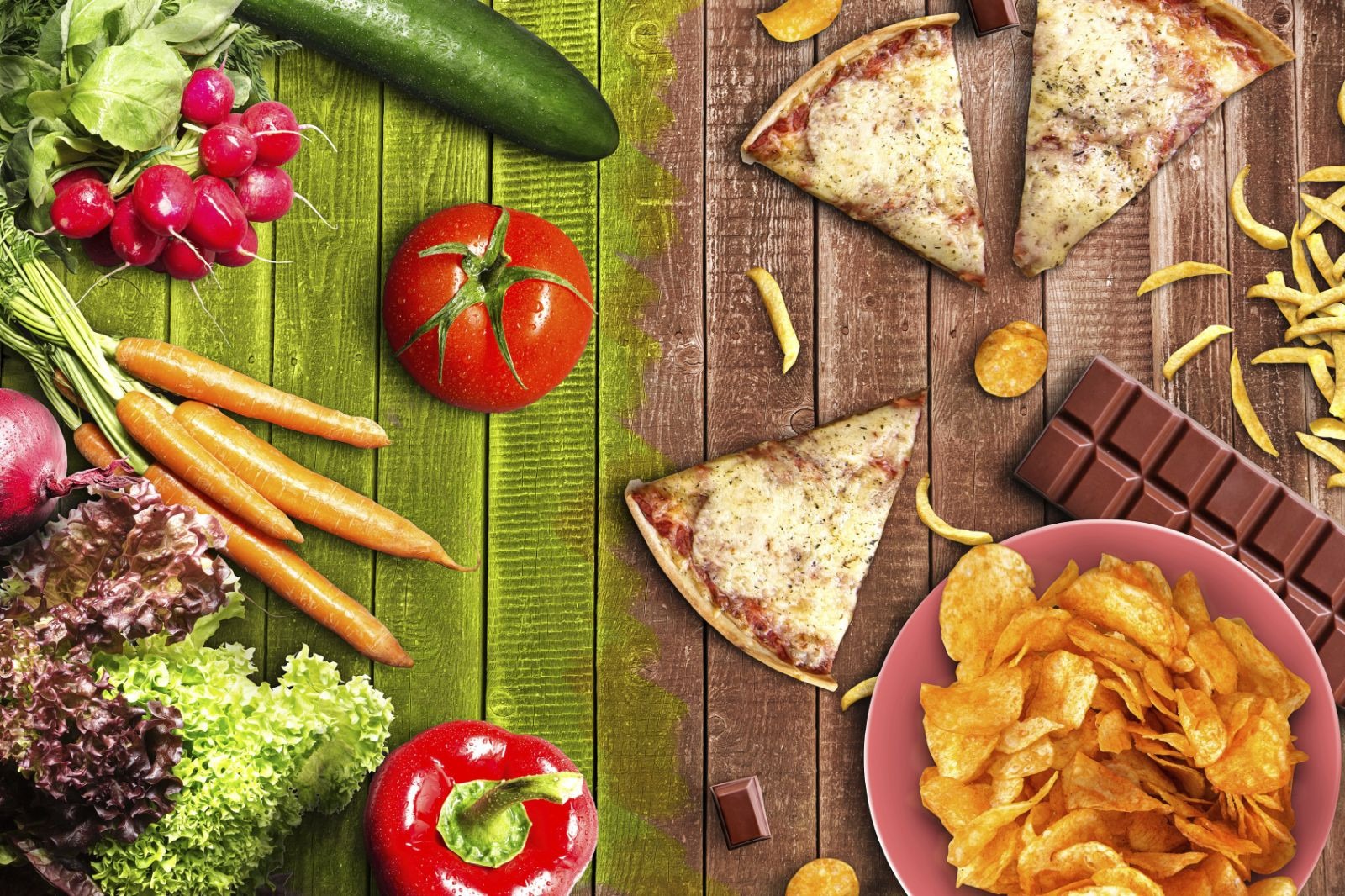
A typical nutrition-less diet consists of highly processed foods, fast food, refined snacks, and sugary drinks, while lacking essential vitamins, minerals, fiber, protein, and whole foods. This type of diet follows the idea of “high calories, low nutrients.” During manufacturing, processed foods are often stripped of their natural nutrients. Sugary drinks such as soda and energy drinks provide liquid calories with little to no nutritional value, making them an unhealthy choice.
Nutrients are substances found in food that your body needs to grow, function, and stay healthy. There are macronutrients (carbohydrates, proteins, and fats), micronutrients (vitamins and minerals), and the sixth essential nutrient: water. When these nutrients are missing from your diet, your body cannot function properly — which is the core problem of a nutrition-less diet.
Physical Effects
A nutrition-less diet can have many negative physical effects due to the lack of essential nutrients. Some of these effects develop silently, gradually reducing your body’s ability to function properly.
One common effect is low energy and fatigue. This often occurs due to deficiencies in iron, B vitamins, and protein, leading to constant tiredness. Blood sugar spikes and crashes — caused by high-sugar, low-fiber foods — also result in energy swings.
Another consequence is a weakened immune system. Low levels of vitamins A, C, and D, as well as zinc, reduce the effectiveness of white blood cells, which are the body’s main defenders against illness. As a result, you may get sick more often.
Muscle and body function are also affected. Low protein intake can lead to muscle loss. Muscles generate power, speed, and stability, and they help prevent injuries. Even for non-athletes, muscles store glycogen, which is used for energy. Over time, insufficient protein intake can also slow down metabolism.
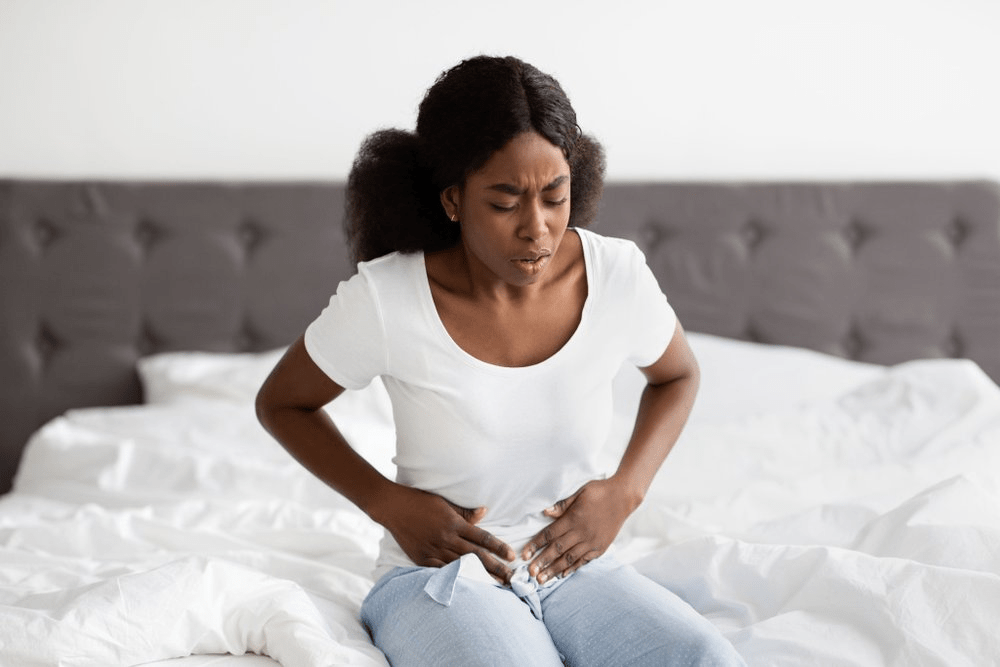
Digestive problems are another issue. A diet low in fibre can cause constipation and disrupt gut balance. Poor gut health affects overall health, making fibre an essential part of a strong and healthy body.
Mental Effects
A nutrition-less diet also affects brain function. Nutrients are closely linked to neurotransmitters, the chemical messengers in the brain. Without proper nutrition, you may experience poor concentration, brain fog, and slower thinking.
Mood can also be influenced by diet. Blood sugar instability may cause irritability, while low levels of omega-3 fatty acids, B vitamins, and minerals can contribute to mood swings or low mood. This demonstrates how strongly diet is connected to mental well-being.
The brain is one of the most energy- and nutrient-demanding organs in the body. To keep it functioning at its best, proper nutrition is essential.
Long-Term Risks
Even if you do not immediately notice mental or physical effects, the long-term consequences can be serious. Over time, a nutrition-less diet increases the risk of chronic diseases such as obesity, type 2 diabetes, heart disease, and high blood pressure.
Nutrient deficiencies can also lead to specific health problems. Low calcium and vitamin D levels weaken bones. Low iron can cause anemia. Low iodine intake may lead to thyroid problems. All of these conditions can develop gradually as a result of poor nutrition.
Solutions
Fortunately, improving your diet does not require drastic changes. Even small adjustments can make a big difference. Adding fruits and vegetables to each meal, including a source of protein, replacing sugary snacks with yogurt or nuts, and choosing water instead of soda are simple yet effective steps.
These changes reduce the risk of disease and negative health effects while moving you closer to a balanced, nutrient-rich diet and a stronger immune system.
Sources:
- https://www.who.int/en/news-room/fact-sheets/detail/healthy-diet
- https://www.who.int/health-topics/micronutrients#tab=tab_1
- https://en.wikipedia.org/w/index.php?title=Ultra-processed_food
- https://www.health.harvard.edu/topics/nutrition
- https://pubmed.ncbi.nlm.nih.gov/36414867
- https://www.nhsprofessionals.nhs.uk/health-and-wellbeing/helpful-links/diet-and-nutrition